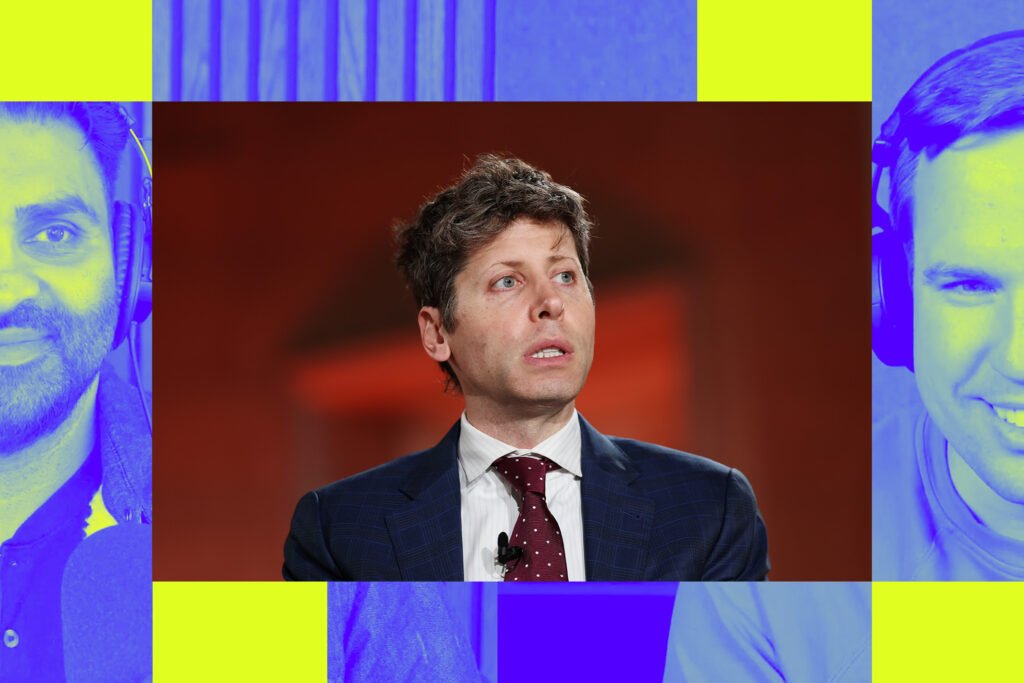

The story of Sam Altman and OpenAI reads less like a corporate history and more like a Silicon Valley thriller. It’s a saga marked by a sudden, dramatic firing, a chaotic weekend of employee revolt, and a triumphant—yet controversial—reinstatement. This series of events, culminating in a recent deep-dive profile, forces us to ask a fundamental question: who is the right person to steer a technology as powerful and potentially world-altering as artificial intelligence? The governance and leadership of OpenAI are not just internal matters; they are critical issues for the entire AI industry and its future trajectory.
The Rollercoaster of OpenAI’s Leadership
Sam Altman’s tenure as CEO of OpenAI has been anything but stable. In late 2023, the company’s board made the stunning decision to fire him, citing a lack of consistent candor in his communications. The official statement was vague, but the shockwaves were immediate. What followed was a period of intense internal and external pressure. Key researchers and executives threatened to resign en masse, and major investor Microsoft publicly backed Altman. Within days, the board that ousted him was itself replaced, and Altman was back in the CEO’s chair, arguably with more consolidated power than ever before.
This episode was more than corporate drama; it was a stark revelation of the power dynamics at play. It highlighted the tension between OpenAI’s original structure as a non-profit, capped-profit entity designed to safely build AGI (Artificial General Intelligence) “for the benefit of humanity,” and the immense commercial pressures and ambitions that come with developing leading-edge AI models like GPT-4. The reinstatement wasn’t just a personnel change—it signaled a permanent reshaping of the organization’s governance and, many argue, its core mission.
Why Leadership in AI Is Different
In most tech companies, a CEO’s primary focus is growth, market share, and profitability. At a company like OpenAI, the calculus is profoundly different. The CEO is ostensibly the steward of a technology that could redefine human productivity, creativity, and even societal structure. This brings a unique set of responsibilities and ethical quandaries.
The Speed of Progress: AI development moves at a breakneck pace. Leaders must decide how quickly to deploy powerful models, balancing innovation with safety research and ethical considerations.
The “Benefit of Humanity” Mandate: OpenAI’s founding charter is an extraordinary promise. Leadership must navigate how this abstract ideal translates into concrete product decisions, partnership choices (like the multi-billion-dollar deal with Microsoft), and competitive strategy.
The Concentration of Power: As a handful of companies pull ahead in the AI race, the individuals leading them wield unprecedented influence over the technological foundation of our future. Their personal philosophies, risk tolerance, and ambitions become de facto industry standards.
The recent scrutiny asks if Altman’s particular blend of boundless ambition, political savvy, and relentless drive is the correct profile for this unique role. Is a visionary, growth-focused leader what’s needed, or is a more cautious, consensus-building steward preferable?
The Broader Implications for AI Governance
The OpenAI saga is a microcosm of a much larger debate gripping the tech world: how do we govern powerful AI? The episode exposed the fragility of even well-intentioned governance structures when faced with real-world pressures.
“The events at OpenAI serve as a case study in what happens when lofty ideals meet the hard realities of capital, competition, and talent.”
Traditional corporate boards govern for shareholders. OpenAI’s original board was meant to govern for “humanity.” The conflict that led to Altman’s firing suggests this model is incredibly difficult to sustain, especially when the company’s valuation soars into the tens of billions. The restructured board, which now includes fewer members with deep AI safety backgrounds and more with traditional business and political experience, suggests a shift in priorities.
This has practical implications for everyone in the AI ecosystem:
For Developers: The strategic direction of a leader like Altman influences which research avenues get funding and which products get built, shaping the entire toolkit available to the developer community.
For Businesses: Companies building on platforms like ChatGPT need stability and predictable policy from their foundational AI provider. Leadership turmoil creates strategic uncertainty.
For Policymakers: The instability highlights the urgent need for sensible external regulation. If internal governance at a mission-driven leader can falter, it underscores that industry self-policing has limits.
Looking Ahead: Leadership in the Age of AGI
As we look toward a future where AI capabilities continue to grow, the question of leadership becomes only more critical. The individuals and boards in charge of the most advanced AI labs will make decisions that could affect global security, economic stability, and the nature of work.
The OpenAI story is a pivotal chapter in this ongoing narrative. It reminds us that building the technology is only half the challenge. Building the institutions, governance models, and ethical frameworks to manage it is the parallel task—and one we are still very much figuring out. The world is watching not just what OpenAI builds, but how it is led. The outcome will set a precedent for the entire industry, for better or worse.
For those interested in deeper analysis on this topic, including interviews and expert discussions, sources like The Vergecast often provide valuable ongoing commentary on these evolving stories in AI leadership and policy.
Comments (0)
Log in to post a comment.
No comments yet. Be the first!