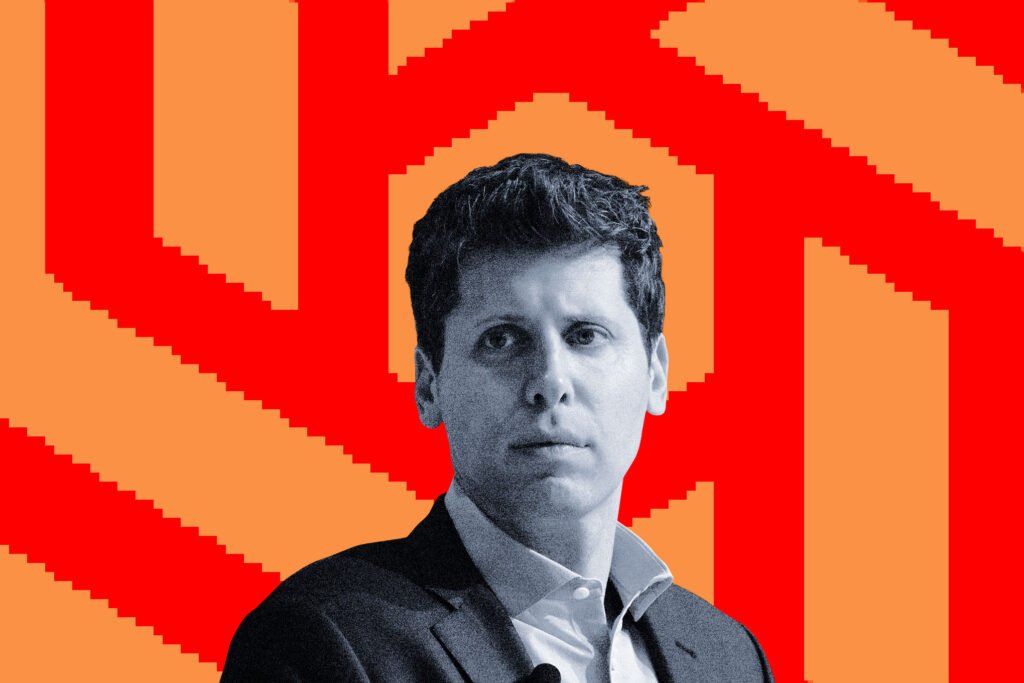

The AI revolution is facing a dark and violent backlash. In a deeply troubling series of events, OpenAI CEO Sam Altman’s home was allegedly targeted twice, including an incident involving a Molotov cocktail. The accused attacker, a 20-year-old, reportedly wrote about his existential fear that the AI race would lead to human extinction. This wasn’t an isolated act. Just days prior, an Indianapolis councilman who supported a data center rezoning petition reported 13 shots fired at his door, accompanied by a note reading “No Data Centers.”
These are not just crimes; they are stark, physical manifestations of a profound and growing public fear. For years, the debate around artificial intelligence has been confined to conference panels, academic papers, and online forums. Now, that anxiety has boiled over into real-world violence, serving as a dire warning for the entire technology sector. The industry’s breakneck pace and often opaque decision-making have created a perilous disconnect with the public it aims to serve.
From Sci-Fi Fear to Real-World Violence
The concept of AI causing human harm is a staple of science fiction, from The Terminator to The Matrix. However, the transition from cinematic dystopia to a motivator for real-world attacks marks a dangerous new phase. The suspect in the Altman case didn’t just have a generic grievance; his writings pointed to a specific, apocalyptic fear of extinction directly tied to the corporate AI race. This reflects a narrative that has gained alarming traction: that a small group of unelected tech executives is recklessly steering humanity toward an uncontrollable future.
“When public discourse fails, fear fills the vacuum. The attacks on Sam Altman are a tragic symptom of an industry that has prioritized building over explaining, and scaling over securing public trust.”
This isn’t merely about “tech backlash.” It’s about a fundamental failure in risk communication. While AI labs discuss “long-term existential risk” in theoretical terms, these abstract concepts are being interpreted by some as immediate, inevitable doom. The industry’s internal debates about AI safety are not translating into public reassurance; instead, they are often perceived as confirmation of the worst-case scenarios.
The Physical Backlash Against Digital Infrastructure
The shooting in Indianapolis over a data center project reveals another critical front: the physical infrastructure of AI. Large language models and AI systems require immense computational power, housed in massive, energy-intensive data centers. These facilities are often planned for communities with little say in the process, leading to conflicts over land use, water resources, and energy grids.
The “No Data Centers” note is a clear message: resistance to AI is no longer just about algorithms in the cloud. It’s about the very real, local impacts of the industry’s expansion—noise, construction, environmental strain, and the perceived hijacking of community resources for a global tech agenda. This local opposition can quickly fuse with broader existential fears, creating a potent and volatile form of resistance.
A Crisis of Trust and Transparency
At the heart of this crisis is a catastrophic erosion of trust. The AI industry, particularly the frontier lab sector, operates with a level of secrecy that fuels public suspicion. Decisions about model capabilities, deployment timelines, and safety testing are made behind closed doors. When the public narrative is dominated by boardroom dramas, multi-billion-dollar investments, and warnings from the very creators about their technology’s potential dangers, it’s no wonder that fear and conspiracy theories thrive.
The practical use case for AI companies now must include public engagement and transparent communication. This means moving beyond polished blog posts and developer conferences. It requires:
Demystifying AI: Clearly explaining what models can and cannot do, separating hype from reality.
Engaging Early and Often: Involving communities in discussions about data center locations and environmental impacts before plans are finalized.
- Articulating a Positive Vision: Proactively communicating how AI can address concrete societal problems, rather than letting the narrative be defined by catastrophe.
The Path Forward: Responsibility Beyond the Lab
The attacks on Sam Altman are a wake-up call. The mission of “building beneficial AI” is meaningless if the public perceives the builders as a threat. The industry’s responsibility must extend far beyond technical safety research. It must encompass social safety, ethical foresight, and genuine public partnership.
Key areas for immediate action include:
- Investing in Public Dialogue: Funding independent forums, citizen assemblies, and educational initiatives to build a shared understanding of AI’s trajectory.
- Supporting Robust Regulation: Working with policymakers to create sensible, enforceable rules that provide guardrails and public accountability, rather than fighting oversight.
- Redesigning Engagement: Treating community concerns about infrastructure as seriously as technical concerns about model alignment.
The alternative is a future of deepening division, where fear and misunderstanding lead to more instability. The genius of AI should be channeled into building trust, not just models. The next breakthrough needed isn’t a larger neural network, but a new compact between technology creators and the society they vow to serve. The warning has been delivered, in the most alarming way possible. The question is whether the AI world is listening.
Comments (0)
Login Log in to comment.
Be the first to comment!