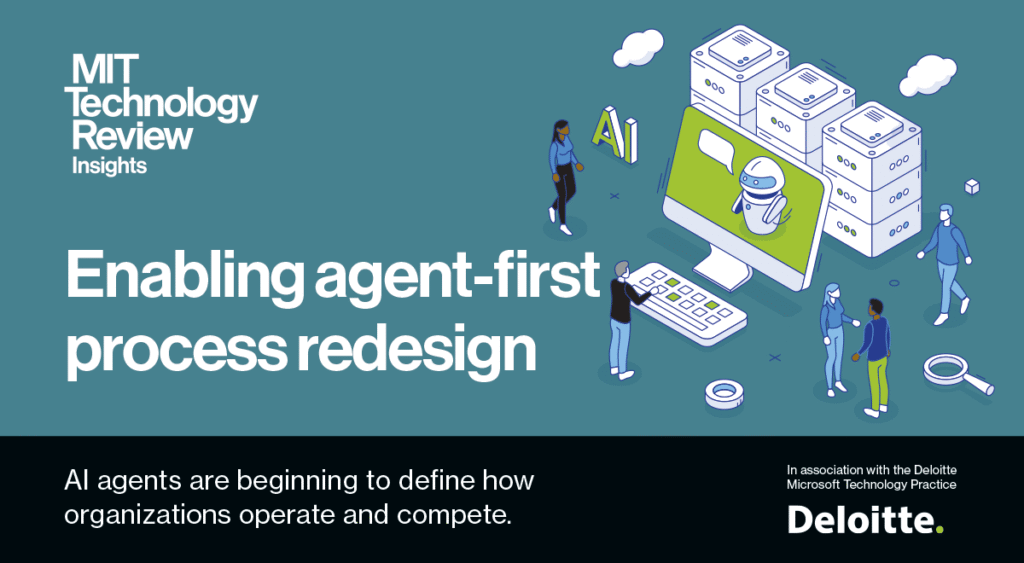

For decades, business process optimization has followed a familiar playbook: map the workflow, identify bottlenecks, and apply rules-based automation to specific tasks. This approach delivered incremental improvements, but it was fundamentally static. Today, a new class of technology is shattering that paradigm. AI agents, powered by generative AI, are dynamic systems that can learn, adapt, and autonomously orchestrate entire workflows in real-time. The promise is immense, but realizing it demands a radical shift in thinking. The central thesis is clear: you can’t just bolt an AI agent onto a legacy process. To unlock transformative value, you must become agent-first.
From Human Operators to Human Governors
What does an “agent-first” enterprise actually look like? It represents a fundamental redefinition of roles. In this new model, AI systems are the primary operators of core business processes. They execute tasks, make decisions within parameters, and manage data flows. The human role evolves from hands-on operator to strategic governor. People set the overarching goals, define the policy constraints and guardrails, and handle the complex exceptions that fall outside the agent’s scope.
As Scott Rodgers, Global Chief Architect at Deloitte, puts it: “You need to shift the operating model to humans as governors and agents as operators.” This isn’t about replacing people; it’s about elevating them. By offloading routine and repetitive tasks to autonomous agents, employees are freed to focus on higher-value work that requires creativity, strategic thinking, and nuanced judgment. This shift can dramatically improve operational efficiency, accelerate decision-making, and foster more meaningful collaboration.
Why Legacy Processes Are the Wrong Foundation
The urgency for this redesign is amplified by the rapid pace of AI investment. With technology budgets for AI expected to surge over 70% in the next two years, the race is on. However, applying static automation techniques to these powerful new tools will yield only marginal returns. The core problem is that most existing business processes were never designed for autonomous systems.
Rodgers highlights three critical requirements that legacy workflows typically lack:
- Machine-Readable Process Definitions: Agents need processes codified in a language they can understand and execute, not just documented in a PDF for humans.
- Explicit Policy Constraints: Every boundary, compliance rule, and ethical guideline must be explicitly defined for the AI to operate safely and effectively.
- Structured Data Flows: Agents thrive on clean, structured data. Fragmented data silos and inconsistent formats cripple their potential.
Furthermore, many organizations struggle to identify where agents can create the most value because they lack a deep understanding of their own economic drivers, like true cost-to-serve or per-transaction costs. This often leads to prioritizing “flashy pilots” over initiatives that could drive structural change and significant ROI.
The Real Risk: Being Outpaced by Competitors
In this environment, the greatest threat isn’t that AI will fail technically. The real risk is competitive obsolescence. “The real risk isn’t that AI won’t work—it’s that competitors will redesign their operating models while you’re still piloting agents and copilots,” warns Rodgers. The companies that will win are those that move beyond isolated pilots to re-architect their core operations.
The prize for this effort is not a linear 10-20% improvement, but non-linear gains. These breakthrough results emerge when companies create integrated, agent-centric workflows supported by robust human governance and adaptive orchestration layers. It’s the difference between automating a single invoice approval and having an AI agent manage the entire procure-to-pay cycle—dynamically selecting vendors, negotiating terms, ensuring compliance, and processing payments, all while learning and optimizing over time.
The Path to an Agent-First Future
Becoming an agent-first organization is a strategic journey, not a one-time project. It requires executives to think differently about process design, investment, and talent. Here are key steps to begin the transition:
Audit for Agent Readiness: Don’t just look for tasks to automate. Evaluate core processes against the three requirements: Can they be defined for a machine? Are the policies clear? Is the data structured?
Start with a High-Value, Contained Process: Choose a process with clear economic drivers and boundaries. This allows for a manageable pilot that can demonstrate tangible value and build organizational confidence.
Invest in Orchestration and Governance Infrastructure: The “glue” that holds agentic systems together is as important as the agents themselves. This includes platforms for monitoring, security, compliance, and human-in-the-loop oversight.
Upskill Your Workforce for Governance: Prepare your teams for their new roles as supervisors, trainers, and exception handlers for AI systems. This is a critical cultural and skills shift.
The era of bolting new technology onto old processes is over. AI agents represent a paradigm shift in how work gets done. The companies that thrive will be those courageous enough to redesign their foundations, placing autonomous, adaptive agents at the heart of their operations and empowering their people to govern a new, more intelligent enterprise.
This analysis is based on insights from MIT Technology Review’s custom content arm.
Comments (0)
Log in to post a comment.
No comments yet. Be the first!