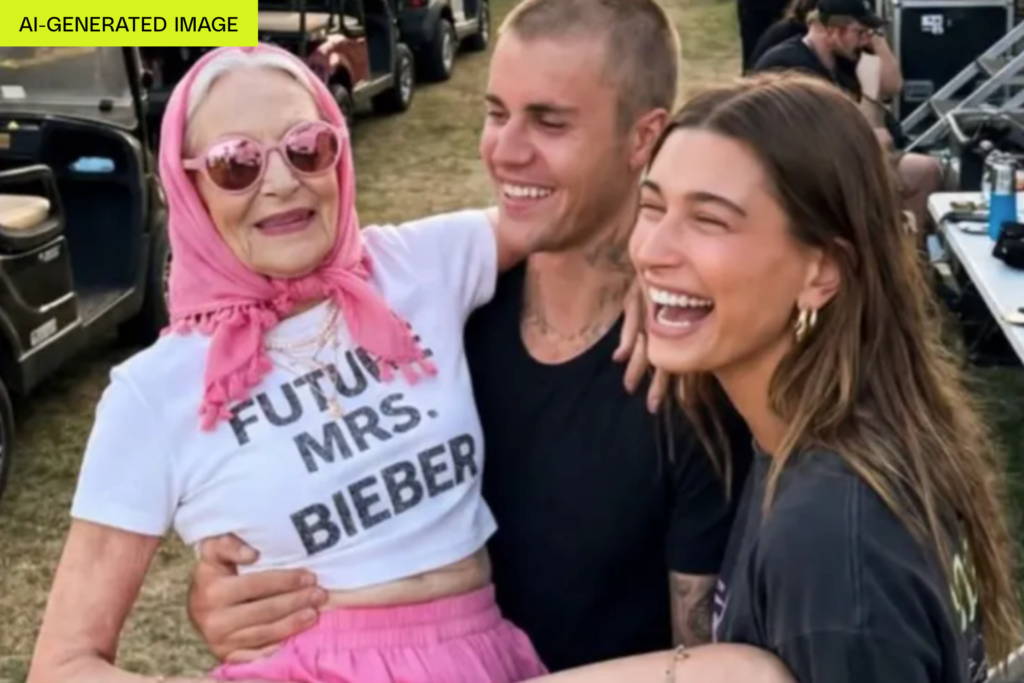

The New Faces of Coachella Aren’t Real
As the 2026 Coachella Valley Music and Arts Festival kicked off last Friday, social media feeds filled with the usual spectacle: glamorous outfits, celebrity encounters, and perfectly curated festival moments. But this year, something felt different. Among the thousands of influencers documenting their experiences, a growing number weren’t actually there. They don’t even exist in the physical world. Welcome to the era of AI-generated influencers taking over one of music’s biggest stages.
When Digital Becomes Indistinguishable
Generative AI has reached a tipping point where creating photorealistic human personas requires minimal technical expertise. Tools that were experimental just a few years ago can now produce convincing festival content complete with:
- Flawless skin textures and natural lighting
- Authentic-looking interactions with real celebrities
- Consistent personal branding across multiple posts
- Contextually appropriate festival fashion and accessories
What makes this year particularly notable is how seamlessly these AI creations blend with content from human influencers. The uncanny valley has narrowed to a crack.
Why Fake Coachella? Understanding the Motivation
Faking festival attendance isn’t new – human influencers have been called out for this in recent years. But AI takes this practice to an industrial scale. The motivations are multifaceted:
Brand Partnerships Without Physical Constraints
Digital influencers can “wear” multiple brand outfits in different locations simultaneously, something physically impossible for human creators.
Cost-Effective Content Production
No travel expenses, no festival tickets, no wardrobe costs – just computing power and creative direction.
Perfect Control Over Narrative
Every moment can be perfectly staged, every interaction carefully curated, and every image optimized for engagement algorithms.
The Technology Behind the Trend
Several AI advancements have converged to make this possible:
1. Advanced Image Generation Models
Tools like Midjourney, DALL-E 3, and Stable Diffusion can now produce consistent character outputs with specific styles and attributes.
2. Video Synthesis Technology
New platforms enable creators to generate short video clips that maintain character consistency across frames.
3. Voice and Personality AI
Some AI influencers now have synthetic voices and can “interact” with followers through AI-generated responses.
Implications for the Creator Economy
This trend raises significant questions about the future of influence and authenticity:
Authenticity Crisis
As AI influencers become more prevalent, how will audiences distinguish between real and synthetic creators? Will disclosure become mandatory?
Economic Disruption
Brands might increasingly turn to AI influencers who offer complete creative control and lower costs, potentially displacing human creators.
Legal and Ethical Questions
Who owns the rights to an AI influencer’s likeness? What happens when they’re used to endorse products without proper disclosure?
Practical Applications Beyond Coachella
While festival fakery grabs headlines, the technology has legitimate applications:
- Virtual brand ambassadors for global campaigns
- Educational content creators who can be customized for different audiences
- Historical recreations for museums and educational platforms
- Accessibility tools for creating diverse representation in media
The Future of Digital Personas
We’re likely to see several developments in the coming years:
Increased Regulation
Expect platforms to implement verification systems and disclosure requirements for AI-generated content.
Hybrid Creators
Human influencers may incorporate AI-generated elements into their content, creating blended digital identities.
Specialized AI Influencer Agencies
Companies dedicated to creating and managing portfolios of digital personas for brands.
Navigating This New Landscape
For consumers, the key is developing media literacy skills to identify AI-generated content. Look for:
- Unnatural perfection in lighting and composition
- Minor inconsistencies in reflections or shadows
- Repetitive posing or facial expressions
- Metadata clues in image files
For creators and brands, transparency will become increasingly valuable. Those who clearly disclose their use of AI tools may build stronger trust with audiences.
Conclusion: The Blurring Lines of Reality
Coachella 2026 serves as a watershed moment for AI-generated content. What began as a niche experiment has become mainstream enough to populate festival feeds alongside human creators. As the technology continues to advance, the line between real and synthetic influence will only blur further. The challenge for all of us – creators, consumers, and platforms alike – will be navigating this new reality while preserving the authentic human connections that make social media meaningful.
The festival may be in the desert, but the future of digital influence is here, and it’s more virtual than ever.
Comments (0)
Login Log in to comment.
Be the first to comment!