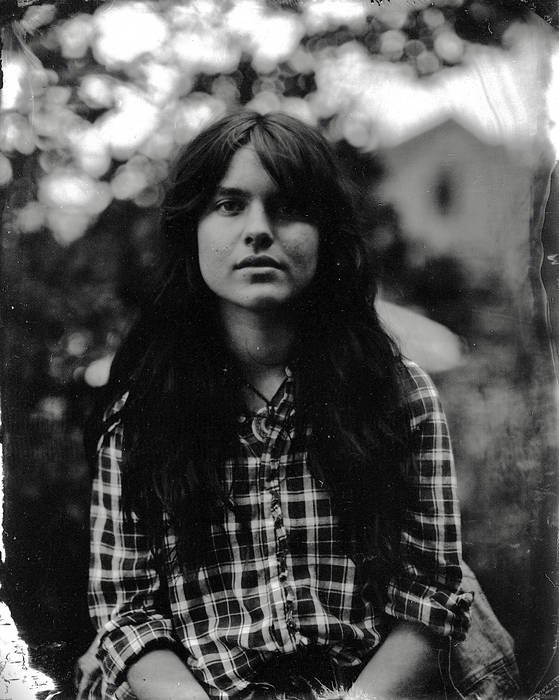

The digital music landscape promises global reach for independent artists, but for folk musician Murphy Campbell, it became a source of distress and a stark lesson in modern creative risks. Earlier this year, Campbell made an unsettling discovery on her official Spotify profile: several songs she didn’t recognize. While they were her compositions, the vocals sounded eerily different. She soon realized someone had taken her performances from YouTube, used AI voice-cloning technology to create “covers” in her voice, and uploaded them to streaming platforms under her name. This incident isn’t just a personal violation; it’s a glaring symptom of a system struggling to keep pace with technology, where creators face threats from both AI fakes and opportunistic “copyright trolls.”
The AI Impersonation Nightmare
Campbell’s case is a textbook example of AI voice cloning misuse. A bad actor likely used readily available AI tools to analyze her singing voice from public YouTube videos, trained a model on it, and then generated new vocal tracks for her existing songs. When she ran one track, “Four Marys,” through AI detection tools, the results suggested the vocals were artificially generated. For an independent artist, this is a multi-layered problem. It dilutes her official discography, potentially confuses fans, and worse, could siphon streaming royalties to an impersonator. The emotional toll is significant—hearing a synthetic version of your own voice performing your art without consent is deeply unsettling. This technology, while innovative, lowers the barrier for this kind of fraud, moving it from the domain of skilled impersonators to anyone with a laptop and malicious intent.
The Broken Copyright System Amplifies the Harm
Here’s where the story gets more convoluted and systemic. In trying to fight these AI fakes, Campbell and many artists like her run headlong into a notoriously broken copyright enforcement ecosystem. Platforms like Spotify and YouTube rely heavily on automated Content ID systems and third-party reporting to manage claims. This creates a perfect environment for “copyright trolls”—entities that exploit these systems by filing often-baseless or overly broad copyright claims. An artist disputing an AI fake might find themselves tangled in a bureaucratic nightmare, facing false counter-claims from these trolls who profit from the dispute process itself or from monetizing the disputed content during the review period. The system is slow, opaque, and often stacked against the individual creator who lacks legal resources.
A Perfect Storm for Independent Creators
This combination—AI-powered impersonation and predatory copyright practices—creates a perfect storm. The AI generates the infringing content at scale, and the broken copyright system makes it incredibly difficult and costly to remove. This dual threat disproportionately impacts independent artists. Major labels have legal teams to navigate DMCA takedowns and disputes. A solo folk musician does not. They are left spending precious time and emotional energy defending their own identity and work, which is time not spent creating new music or connecting with fans. The very platforms that empower artists to distribute their work globally can become vectors for their exploitation.
What Can Be Done? Moving Towards Solutions
Campbell’s experience is a urgent call for action on several fronts:
Platform Accountability: Streaming and content platforms must invest in better, more nuanced detection tools that combine AI identification with human review, especially for identity-based fraud like voice cloning.
Legal & Regulatory Evolution: Copyright law needs updating for the AI era. Clearer frameworks are needed to define AI-generated impersonations as a distinct violation, potentially under right-of-publicity or specific anti-impersonation statutes, not just traditional copyright.
Artist Empowerment & Tools: Platforms should provide clearer, more accessible pathways for artists to verify and claim their official profiles, and offer expedited support for cases of clear identity theft.
Industry Collaboration: Music industry groups, tech companies, and legal experts need to collaborate on standardized best practices and rapid-response protocols for AI fraud.
The core issue is one of trust and authenticity. Fans follow an artist for their unique human voice and creative journey. AI fakes corrupt that relationship. While AI offers incredible tools for music production and experimentation, its use to deceive and steal an artist’s identity is a line that must be defended. Murphy Campbell’s story is not an isolated incident. It’s a warning sign of a growing trend. Protecting the human element in art isn’t just about nostalgia; it’s about ensuring the digital creative economy is fair, transparent, and safe for the very people who fuel it.
Has your music or creative work been affected by AI impersonation? Share your thoughts and experiences in the comments below.
本文基于 The Verge AI 的报道,由 AI 编辑改写整理。如有侵权请联系删除。
Comments (0)
Log in to post a comment.
No comments yet. Be the first!